 01
01System context
Identify the host, controller, backplane, drive or other endpoint—and what the assembly must connect.
An RFQ starting point built around your requirement for MCIO interconnect projects. Compare four available configurations, understand what must be confirmed, and send the application details you already have.
 EndpointsApplication
 Drawing / sample
 4Product pages3Endpoint combinations1Application-led review
 1Coordinated RFQ path
MCIO projects can involve different endpoints, orientations, lane requirements and platform constraints. This page organizes the catalog entry points while keeping direction, pinout, compatibility and performance among the details we confirm before quoting.
Each page explains its known catalog scope, major mismatch risk and the information needed for quotation.
MCIO size, SlimSAS endpoint and orientation must match.
Review configuration →
Host/target direction and lane mapping can make the wrong cable unusable.
Review configuration →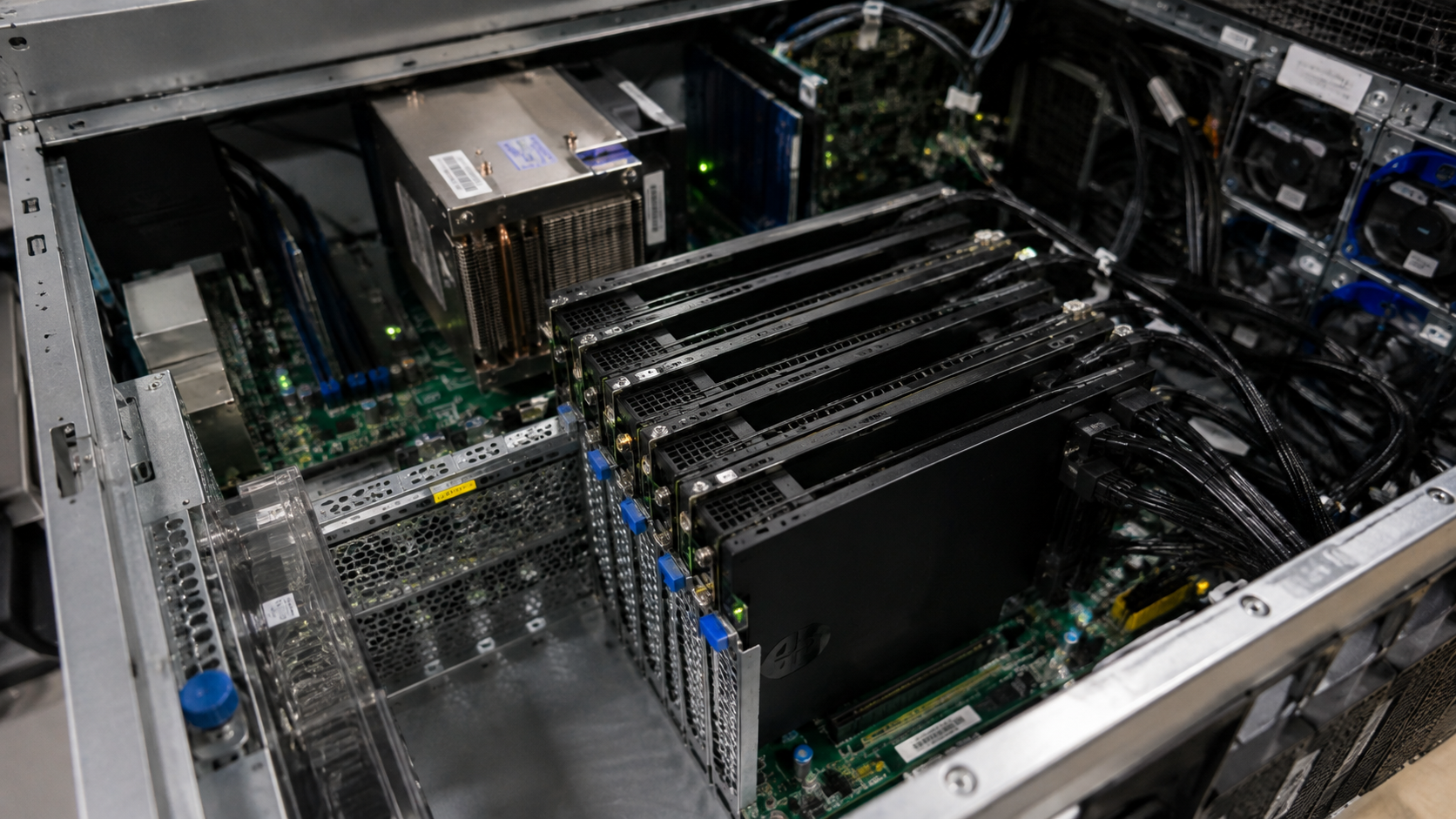
U.2 count, power and topology need confirmation.
Review configuration →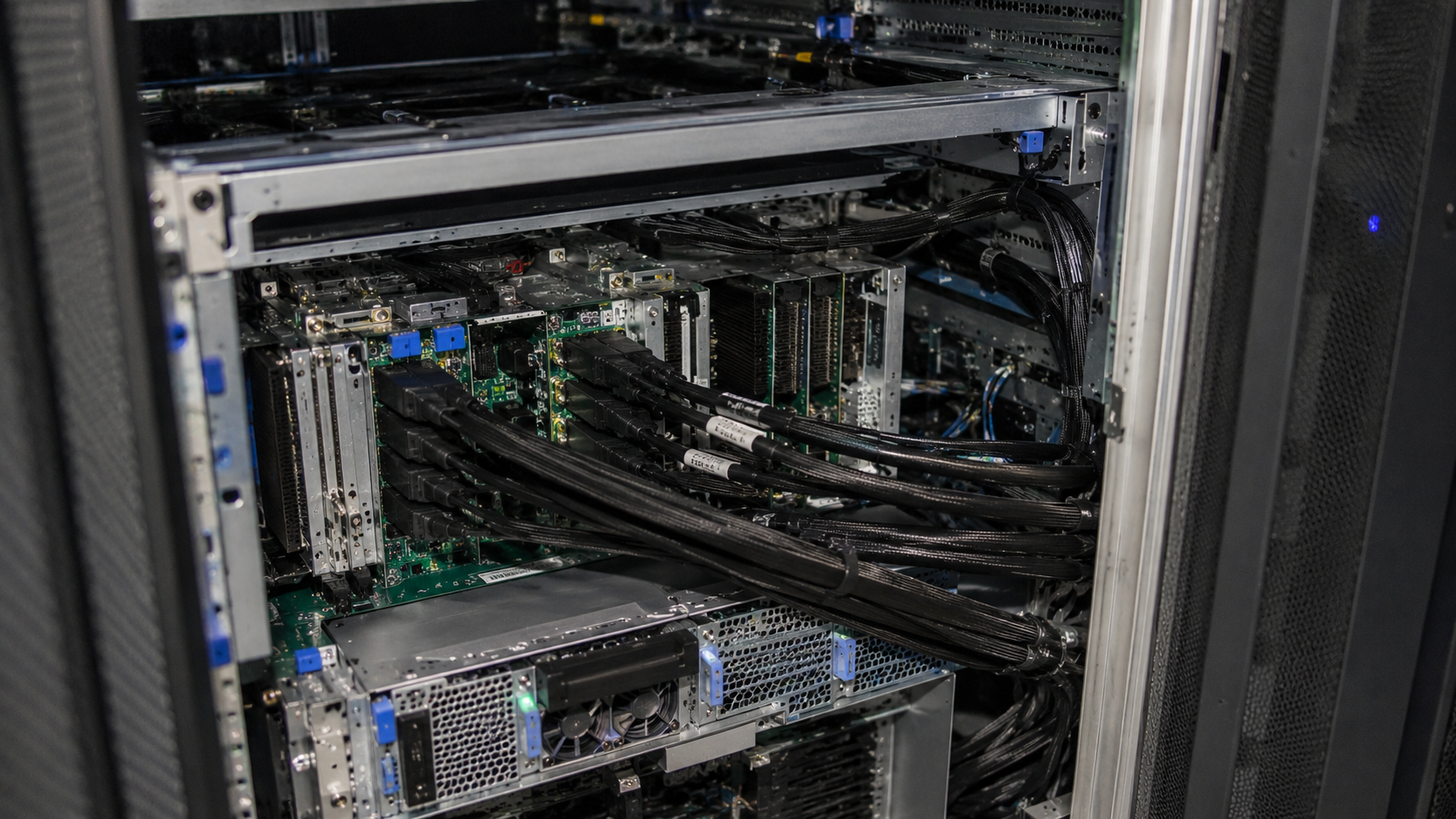
Endpoint, orientation and length vary by platform.
Review configuration →You can begin without every answer. Known details are recorded; missing or ambiguous items become review questions.
01Identify the host, controller, backplane, drive or other endpoint—and what the assembly must connect.
02Share connector names, references, photos or an existing assembly. Similar-looking interfaces are not treated as interchangeable.
03Clarify host-to-target direction and the required lane arrangement. Mapping is confirmed from project evidence.
 04
04Provide length, orientation, cable exit, routing space and bend constraints when known.
 05
05State whether this is concept, prototype, pilot or volume sourcing, plus forecast or initial quantity.
06A drawing, platform specification, BOM, photo or sample can reduce ambiguity before quotation.

Do not choose a product only because the connector image looks close. Submit the system context and references so the requirement can be routed to the right configuration or a custom review.
One point of contact keeps the requirement, manufacturing questions, evidence and next step connected.
Separate confirmed inputs from open compatibility questions.
Confirm endpoints, direction, orientation and project constraints.
Coordinate appropriate manufacturing partners around the requirement.
We then recommend a quote or sample step based on the quantity and project stage.
01Endpoints02Review 03Partner04Quote