 01
01Source and destination
Identify the motherboard, controller, backplane, adapter, drive-side device or other equipment at each end.
A project-entry page for MCIO-to-OCuLink interconnect requirements where source, target, direction, lane mapping and mechanical fit must be reviewed before quotation.
 EndpointsApplication
 Drawing / sample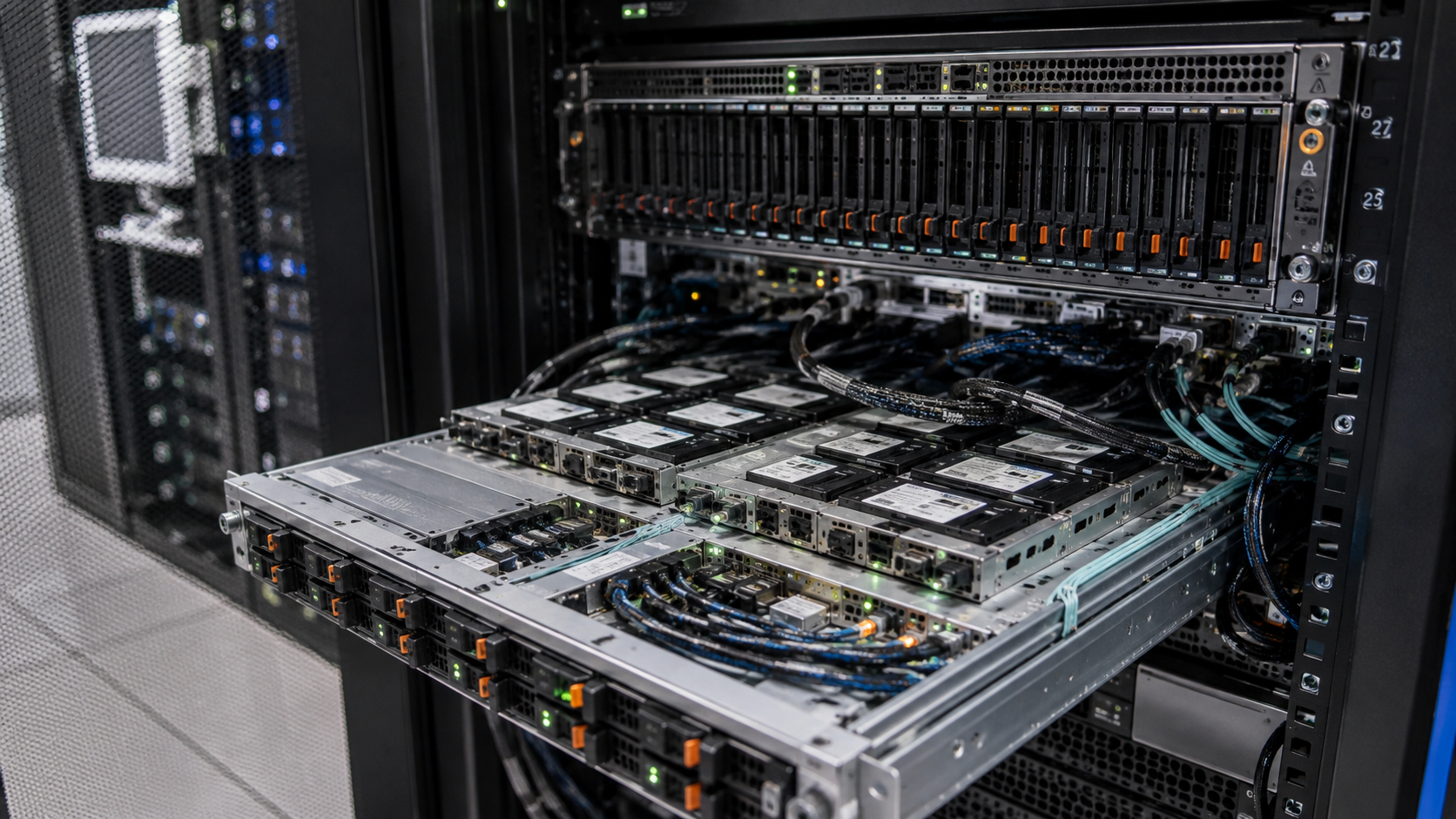
Catalog references establish MCIO to OCuLink as a configuration family suitable for requirement review. We confirm electrical mapping, direction, performance and construction from the documents for the cable being quoted.
An incomplete requirement is acceptable. We record confirmed inputs and turn the remaining uncertainties into targeted review questions.
01Identify the motherboard, controller, backplane, adapter, drive-side device or other equipment at each end.
02Provide connector references, photos, drawings or platform documentation. OCuLink form and application context must be explicit.
 03
03State which end is the source and which is the target. Direction is not inferred from connector appearance.
 04
04Describe the required connection path and lane arrangement without assuming that every MCIO-to-OCuLink cable uses the same mapping.
 05
05Share connector orientation, cable exit, chassis clearance, routing space and target length when known.
 06
06State concept, prototype, pilot or volume stage, including initial quantity and forecast if available.
Selection should follow the actual equipment relationship and approved mapping—not only a listing title or product photo.
The cable is selected without confirming which platform drives the connection.
The required topology is inferred from connector names rather than documentation.
The OCuLink form, keying or device-side requirement does not match.
Connector angle, exit or cable routing conflicts with the chassis and nearby components.
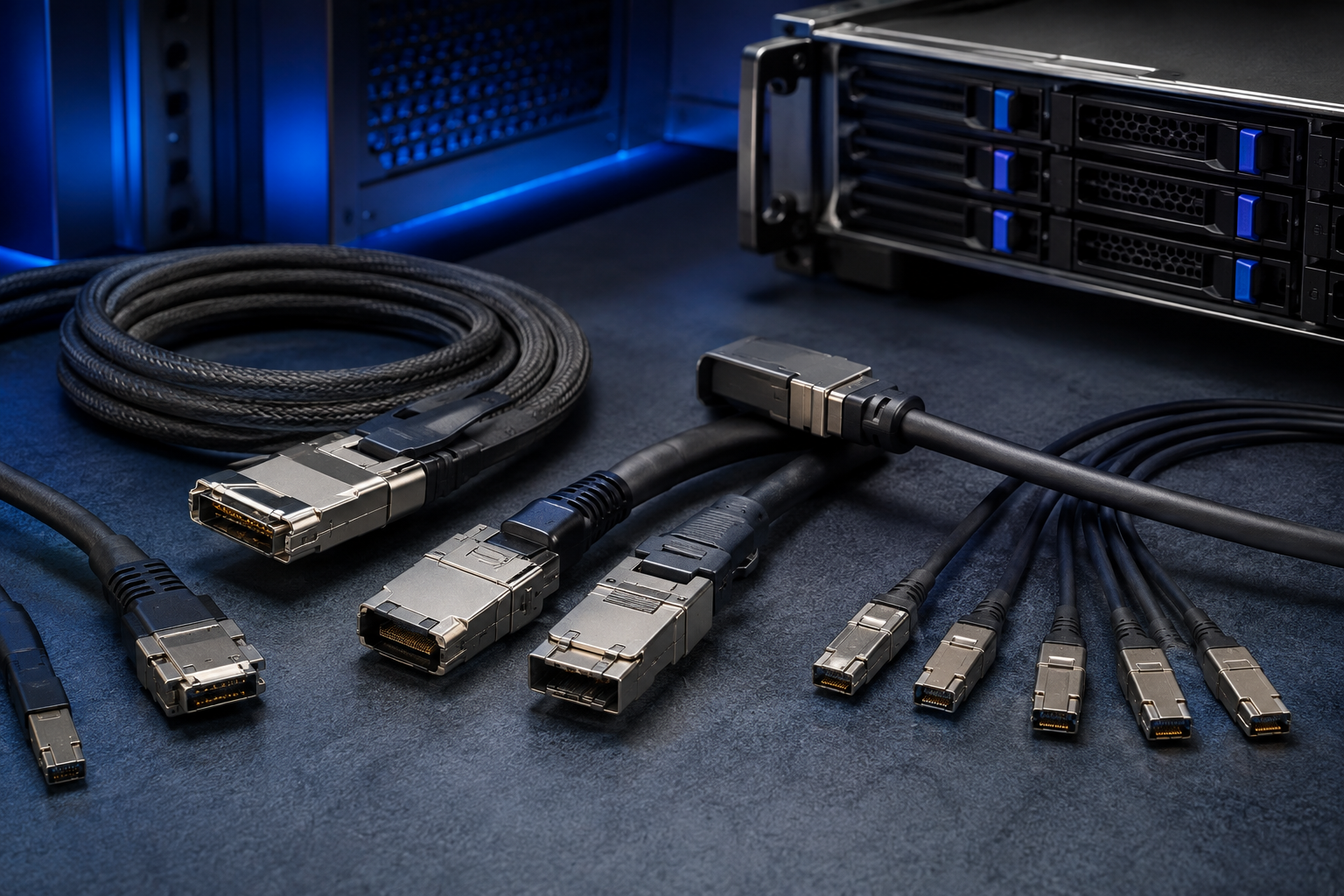
A useful MCIO-to-OCuLink inquiry explains where both ends connect and what the system is intended to do. A platform model, block diagram, drawing or existing sample can prevent a direction or mapping mismatch.
 Host / controller platformTarget and topologyOrientation and routing spaceDrawing, photo or sample
Organize equipment, endpoints, quantity and available reference material.
Clarify source, target, topology, lane mapping and mechanical questions.
We take the clarified requirement to a suitable manufacturing partner.
We then recommend a quote or sample step that fits the project stage.
If OCuLink is not the actual target, route the inquiry through the correct MCIO configuration or Custom Cable review.
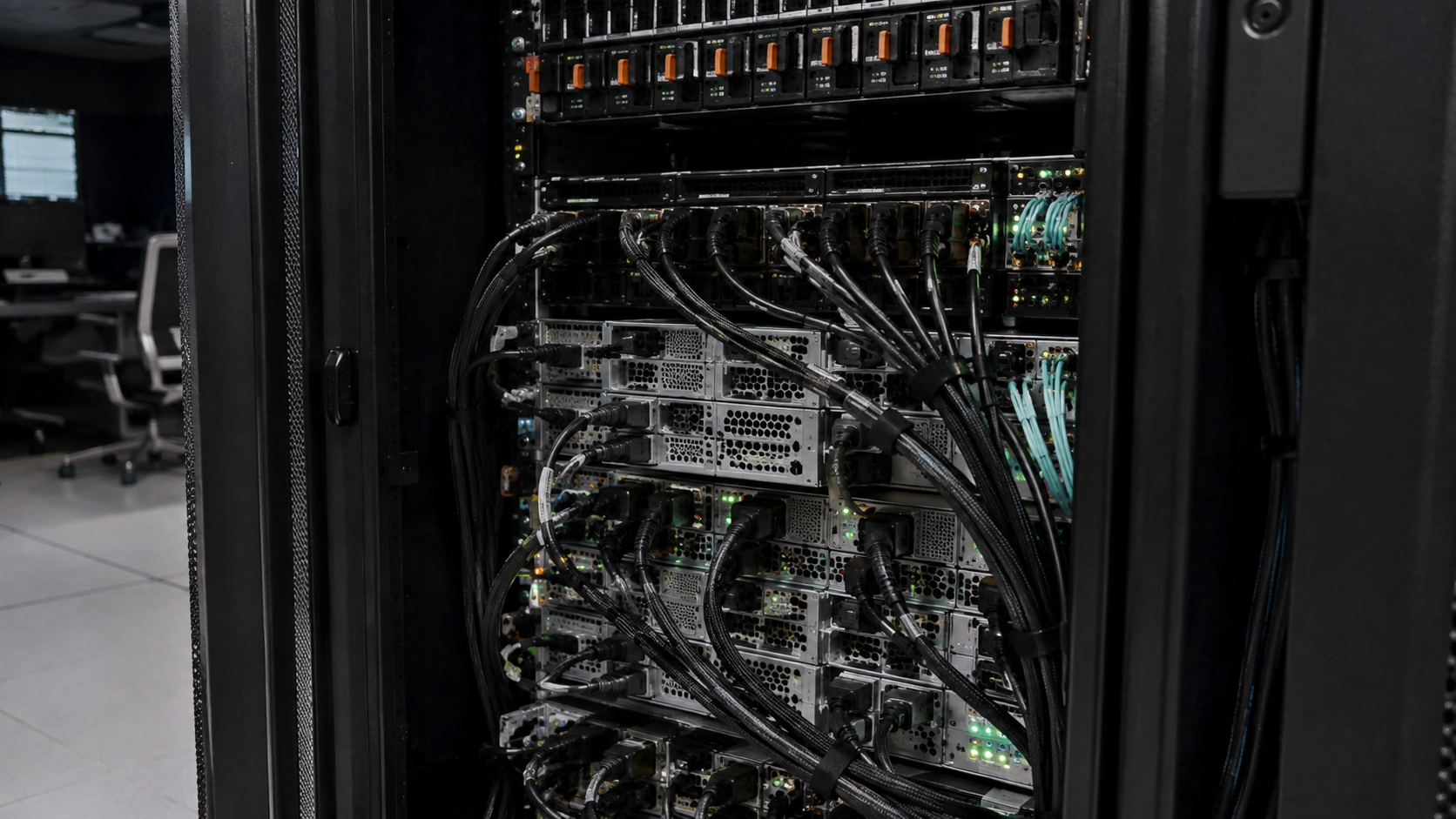
MCIO size, SlimSAS endpoint and orientation must match.
Review configuration →
U.2 count, power and topology need confirmation.
Review configuration →
Endpoint, orientation and length vary by platform.
Review configuration →01Endpoints02Review 03Partner
 04Quote