 01

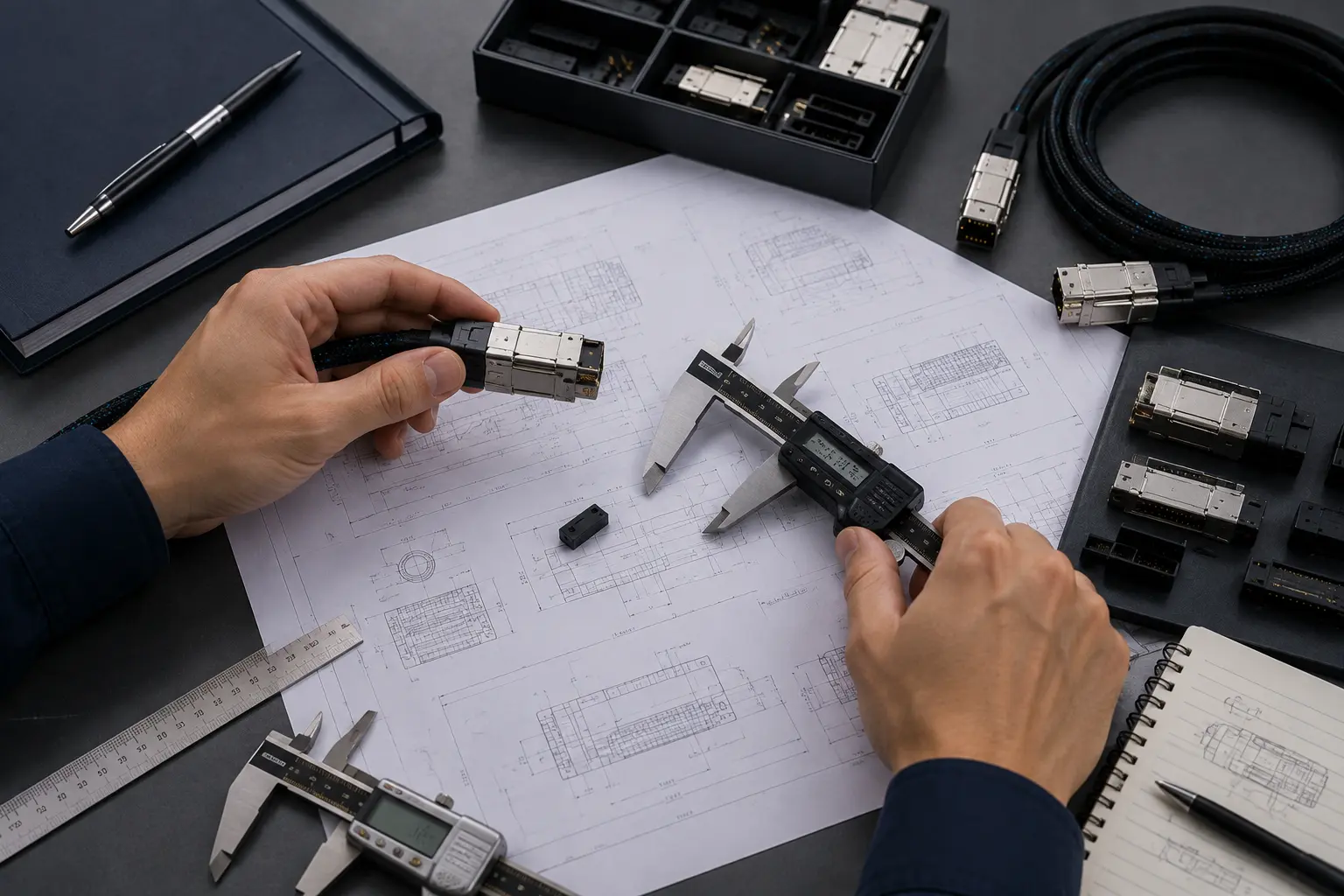
Concept & Requirement Review
Separate confirmed connector, terminal, wire, drawing and application inputs from missing details.
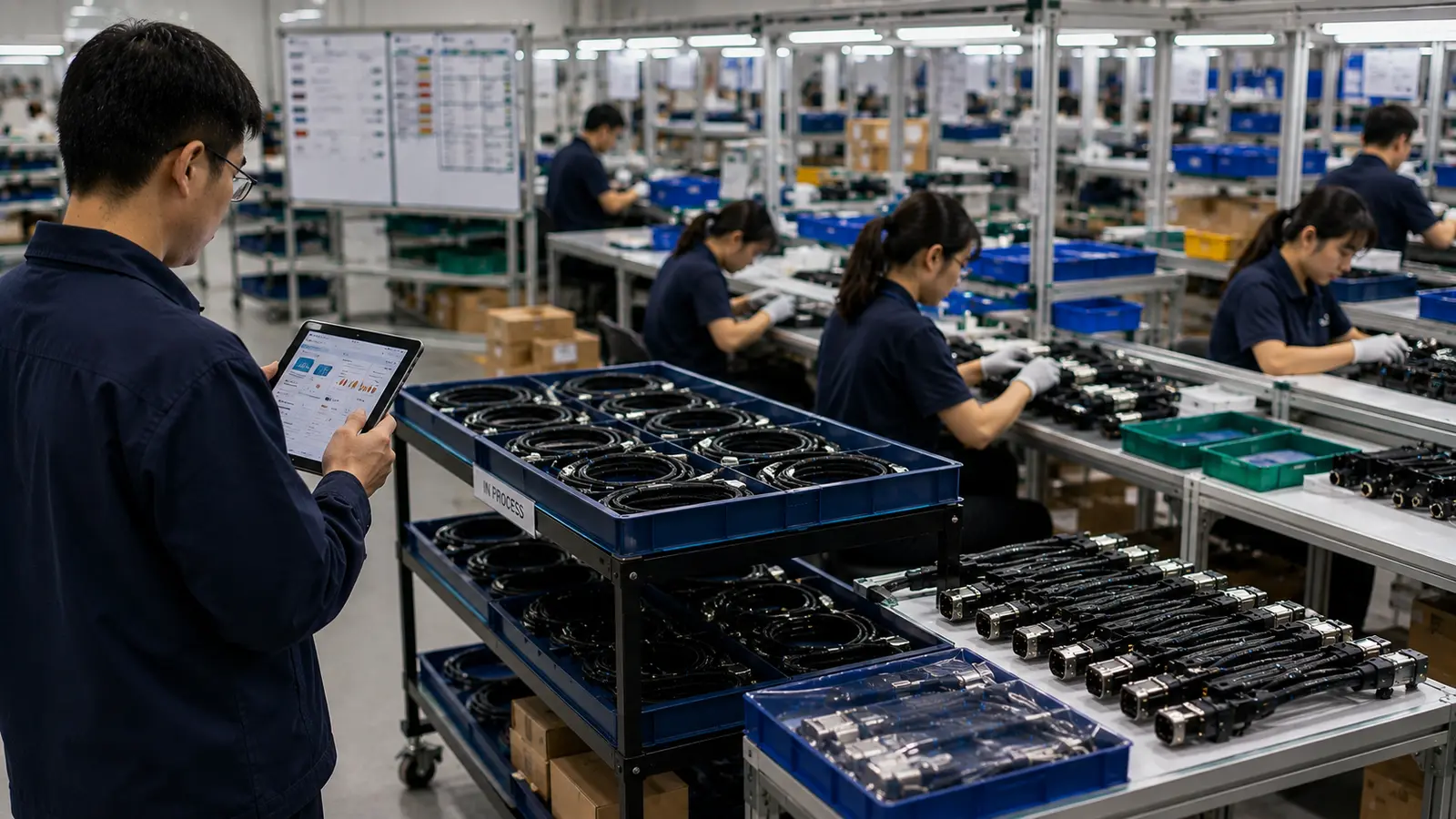
From initial RFQ and engineering or DFM review through drawing approval, prototype validation, production, quality control and shipment.
CableRFQ coordinates the buyer, engineering questions and suitable manufacturing resources through one project brief. Cable assembly and wire harness feasibility, MOQ, lead time, equipment, certification and factory capability are confirmed for the exact RFQ, never assumed.
01Separate confirmed connector, terminal, wire, drawing and application inputs from missing details.
 02

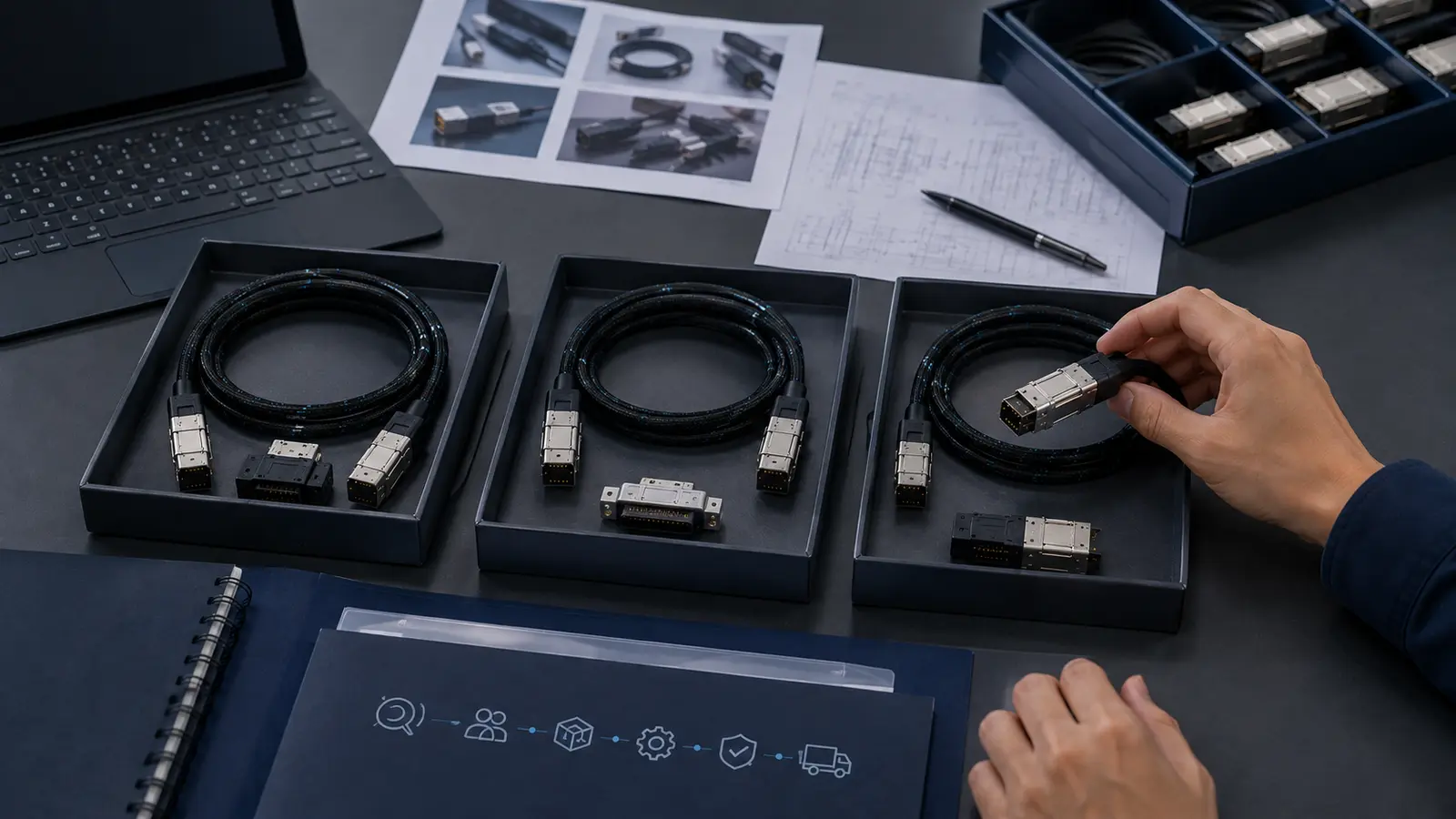
Review manufacturing fit against the assembly type, quantity, project stage and required evidence.
 03

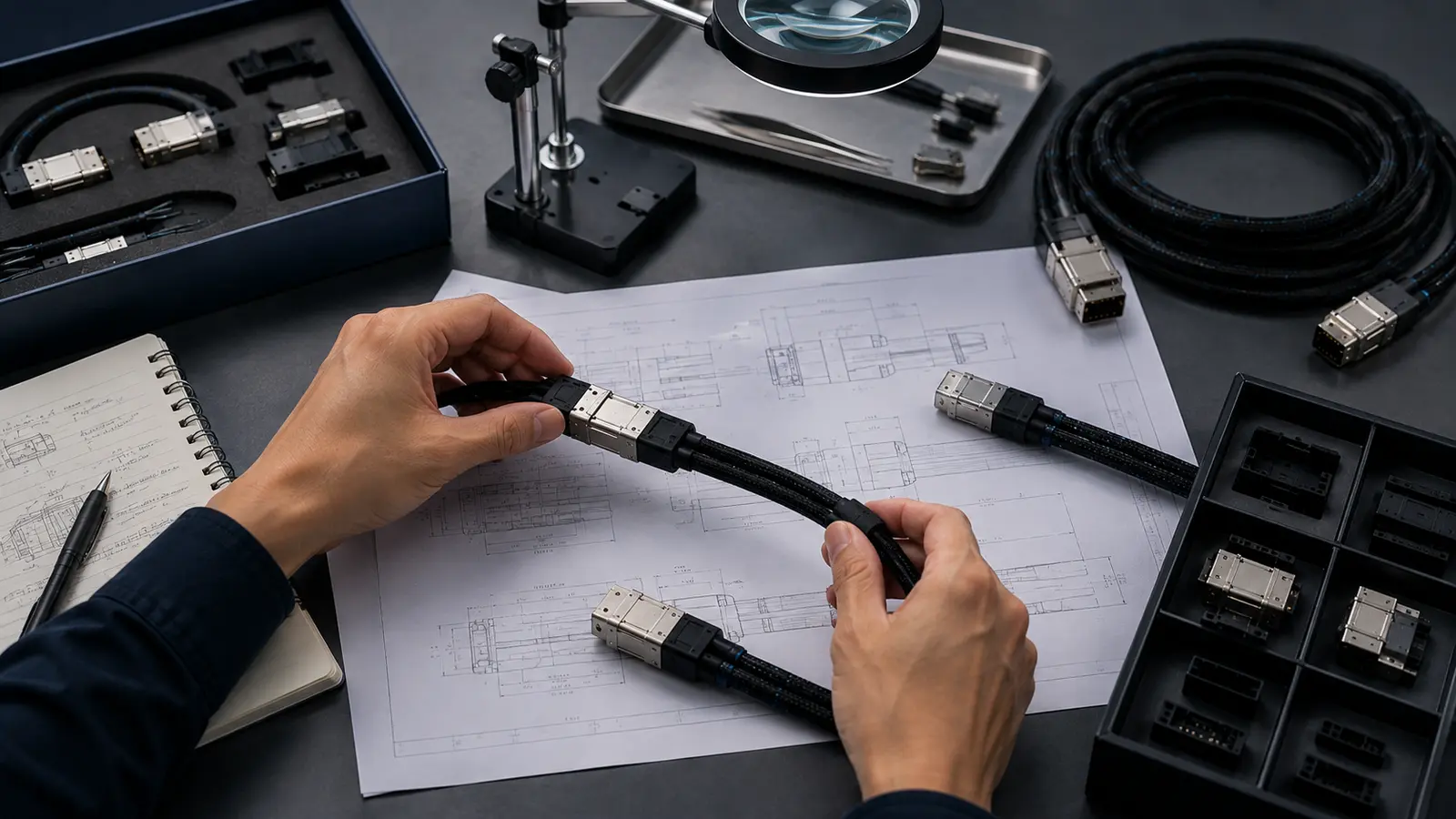
Coordinate samples, manufacturability questions, drawing or BOM updates and controlled changes.
 04

Keep schedules, approved drawings, wire lists and requirement changes aligned.
 05
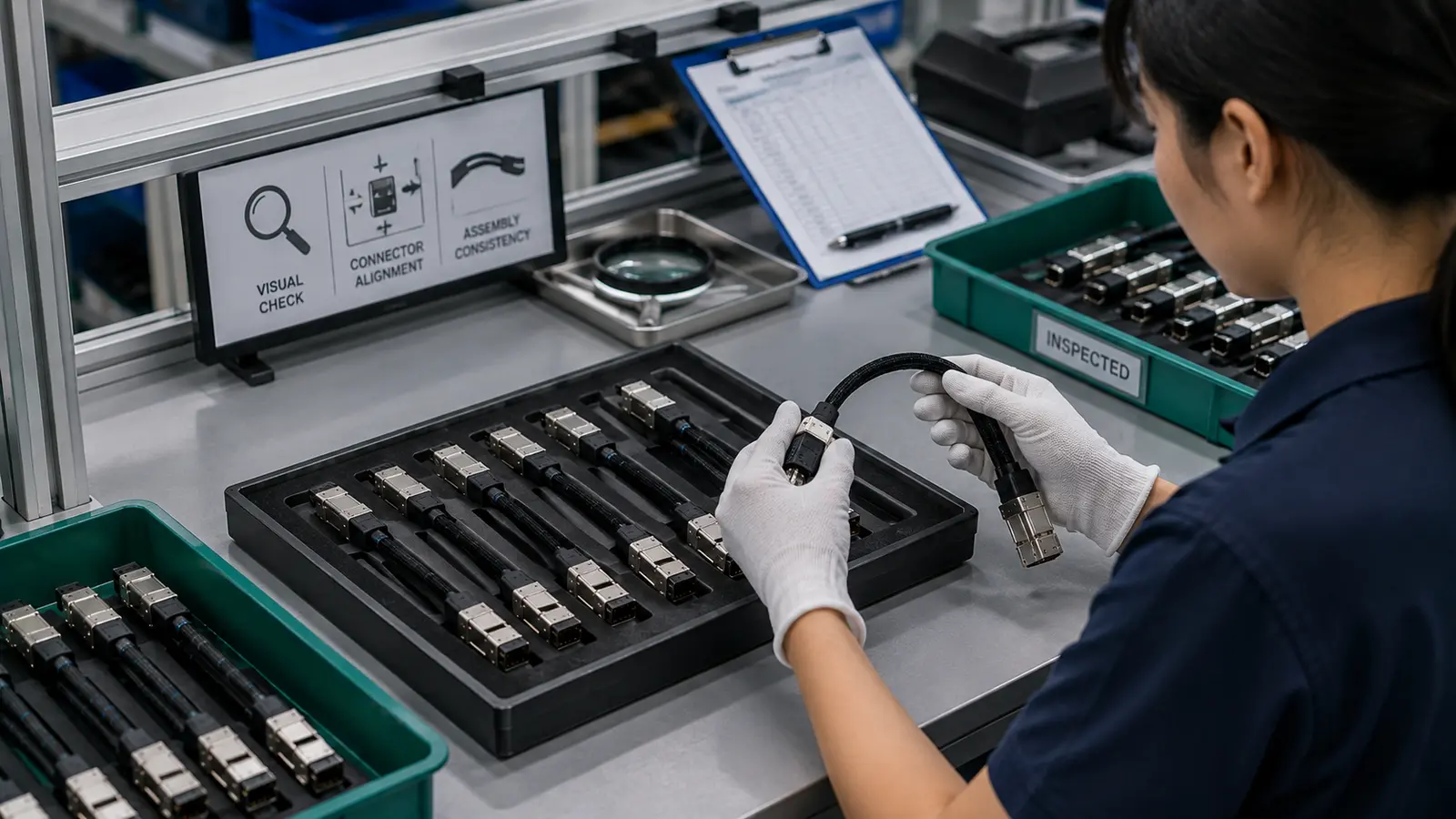
Define the inspection, test, traceability and compliance evidence requested for the project.
 06

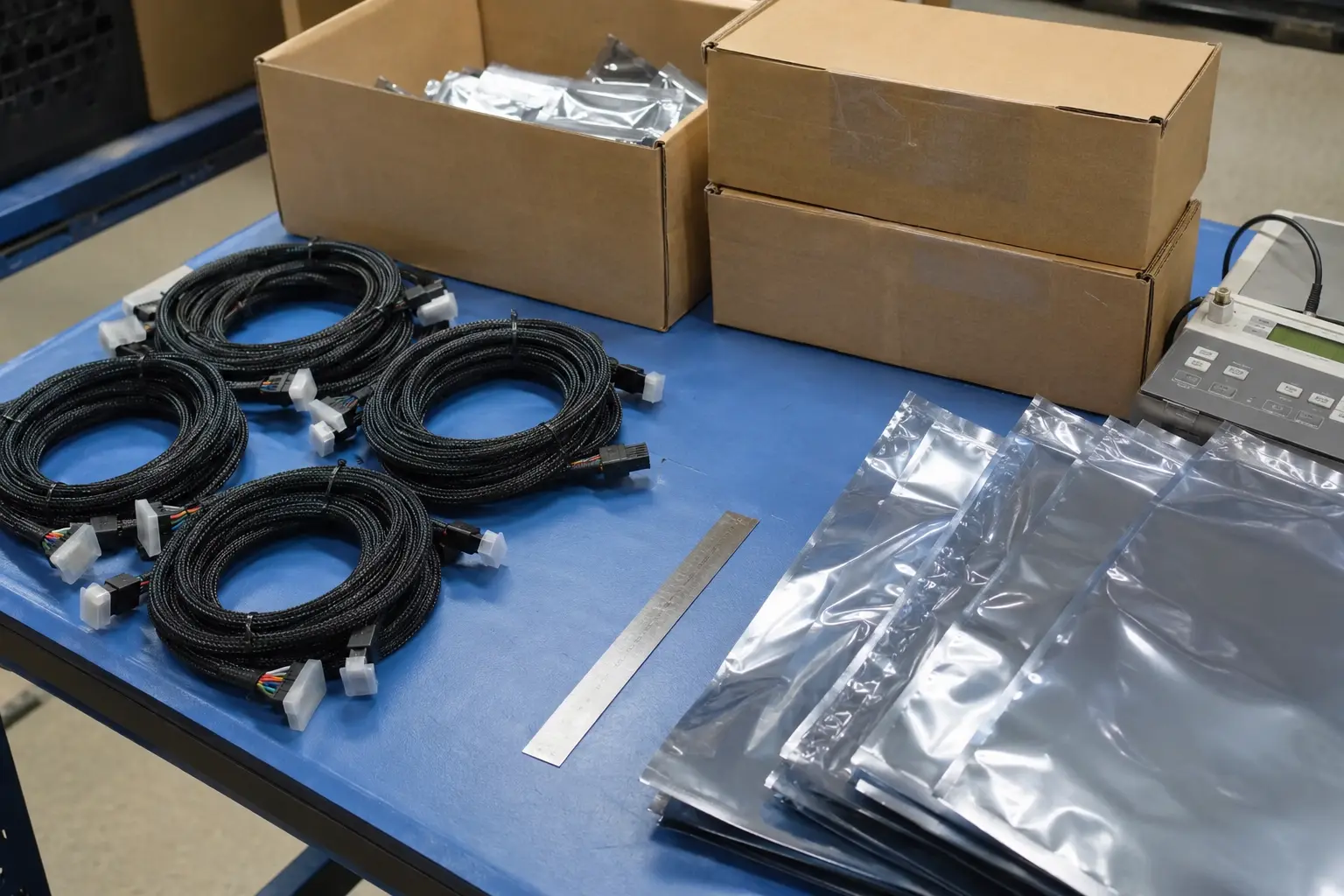
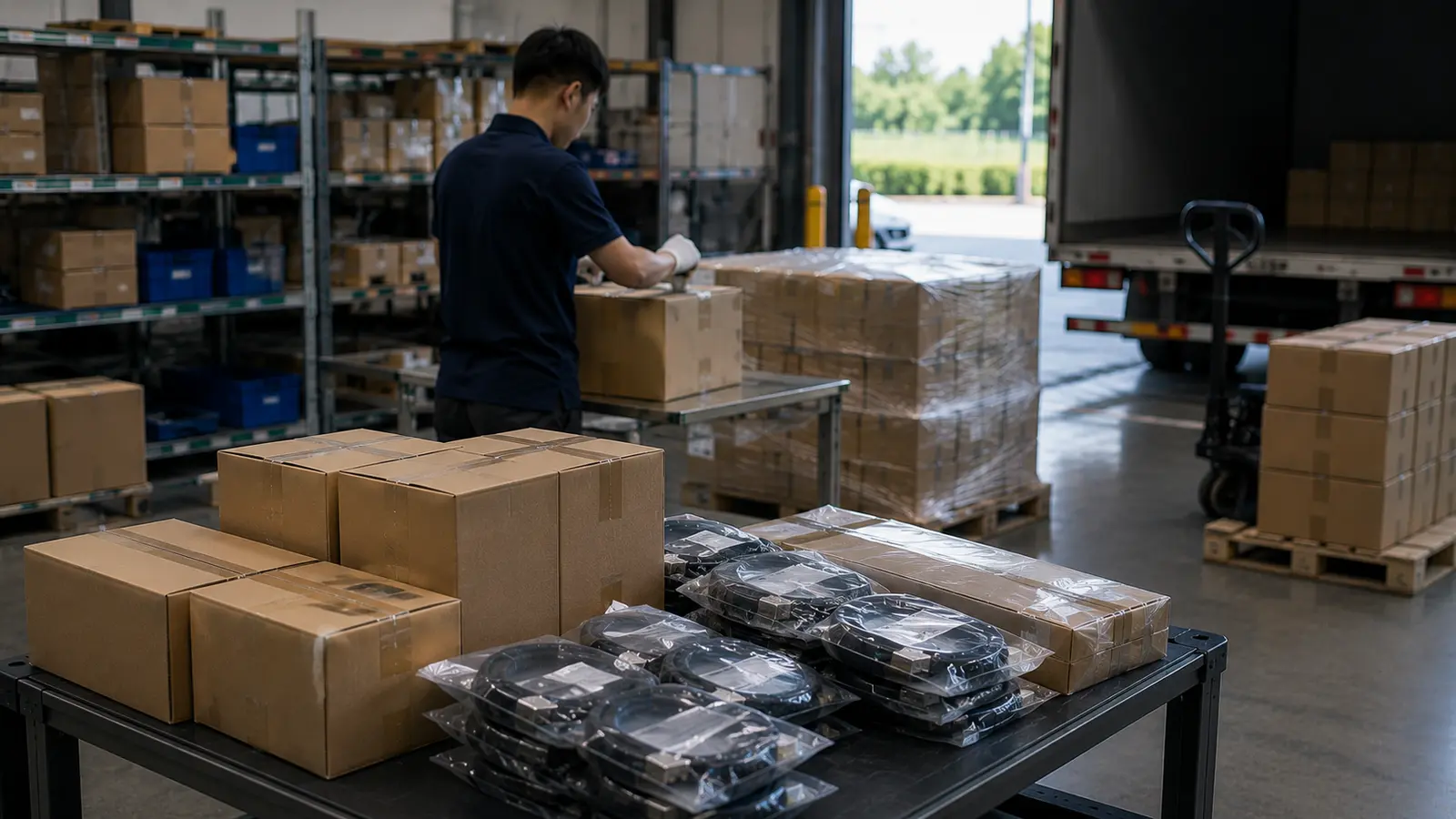
Align labeling, packing, shipping documents and delivery needs before order release.
These checkpoints support cable assembly and wire harness sourcing without publishing unverified factory or product claims.
State first sample, prototype, pilot or repeat-production needs plus the initial quantity or forecast.
Send the available drawing, BOM, wire list, connector or terminal references, pinout evidence and sample information.
Manufacturing fit, tooling, MOQ, lead time, materials and documents are checked for the exact project before commitment.
Keep quotations, approved drawings, samples, inspection needs, labeling, packaging and shipment tied to one RFQ.
Evidence boundary: manufacturing capability, MOQ, lead time, materials, certifications and test scope are confirmed per RFQ.
Start an OEM/ODM RFQ →Buyer decides and provides. CableRFQ coordinates. The selected supplier confirms its own quotation, documents and delivery scope.
Control boundary: these are procurement control recommendations, not a service guarantee. MOQ, price, sample or tooling fees, lead time, payment, Incoterms, inspection, test, certification and supplier capability are confirmed only in the applicable RFQ and approved documents.
Open the blank procurement checklist →This is a project-development and manufacturing workflow—not an online checkout. It applies across MCIO, SlimSAS, SAS, OCuLink, PCIe, HDMI and custom cable projects, with the exact development route confirmed for each RFQ.

Send the application, equipment, endpoints, quantity, target date and available drawings, photos or samples.
We clarify the technical and commercial scope. NDA or confidentiality requirements can be handled before sensitive files are exchanged.

Connector, pinout, material, cable construction, tooling, routing and manufacturability questions are reviewed with the factory.
We coordinate a suitable OEM/ODM manufacturing route and return price, lead time, MOQ, tooling, sample and commercial terms.

The drawing, BOM, wiring, dimensions, labeling, test scope and packaging requirement are aligned for approval.
Samples are built and checked against the agreed specification. Customer feedback and required revisions are closed before release.
After sample/specification approval, purchase order and agreed commercial milestone, the factory releases material and production.
Incoming material, in-process and final inspection follow the agreed scope; labeling, packing and required records are prepared.
Balance payment and shipping documents are completed when applicable, then goods are handed to the agreed forwarder or delivery route.
NDA, tooling ownership, sample charges, MOQ, payment terms, Incoterms, inspection records and change control are confirmed in the quotation, drawing, specification or purchase-order documents for that project.
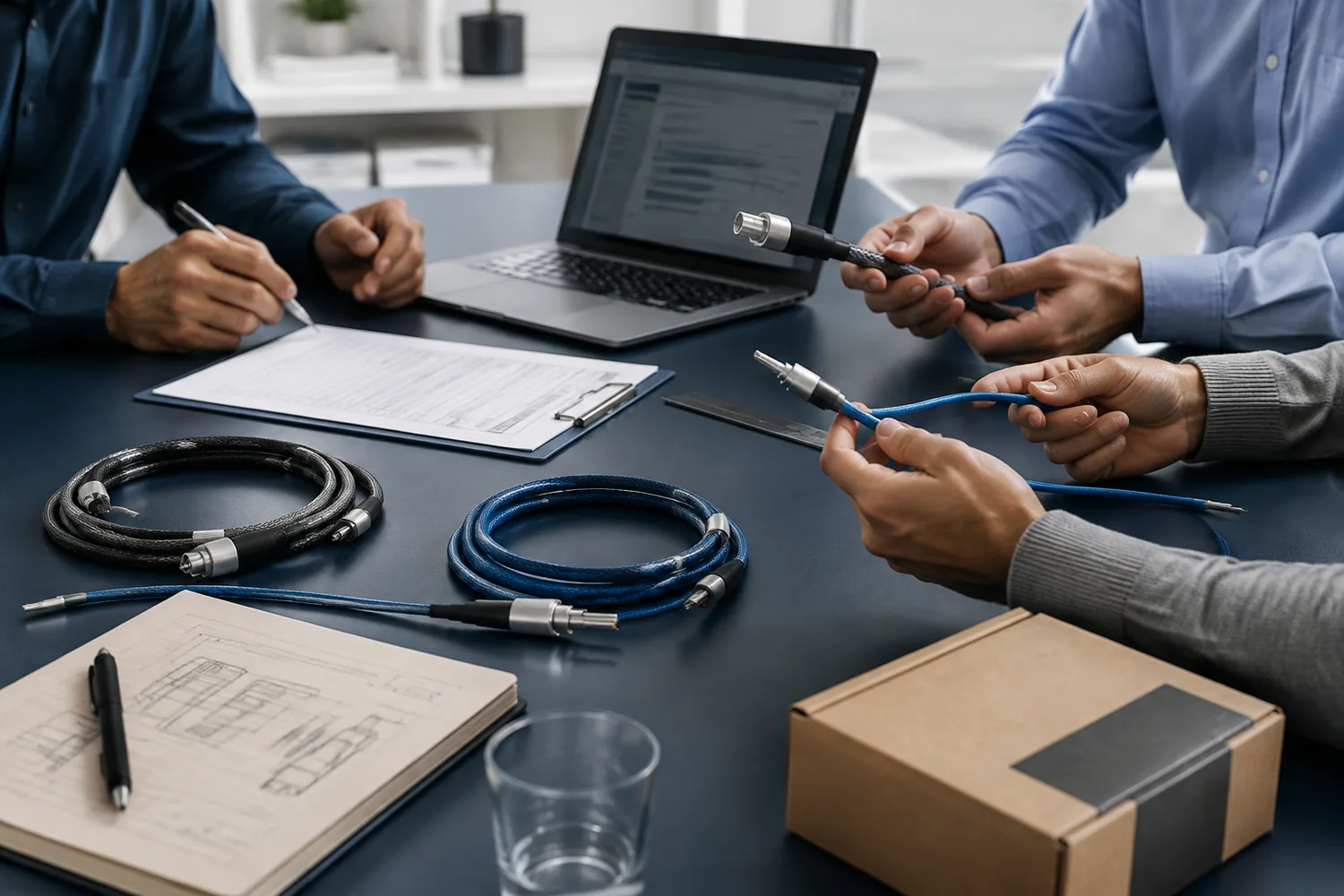
Requirement review, sourcing, sample questions, quality evidence and delivery needs stay tied to the same project brief.
Application contextAdd it when available; open fields remain part of the project review.Drawing, photo or sampleAdd it when available; open fields remain part of the project review.Clear next-step RFQAdd it when available; open fields remain part of the project review. 01Equipment02References03Requirements04RFQ