 01
Connectors / Terminals
Names, part references, photos, mating information or an existing sample are useful starting points.
Send connector or terminal references, cable or branch lengths, application, drawing or BOM, project stage and quantity. Incomplete information is acceptable for the first review.
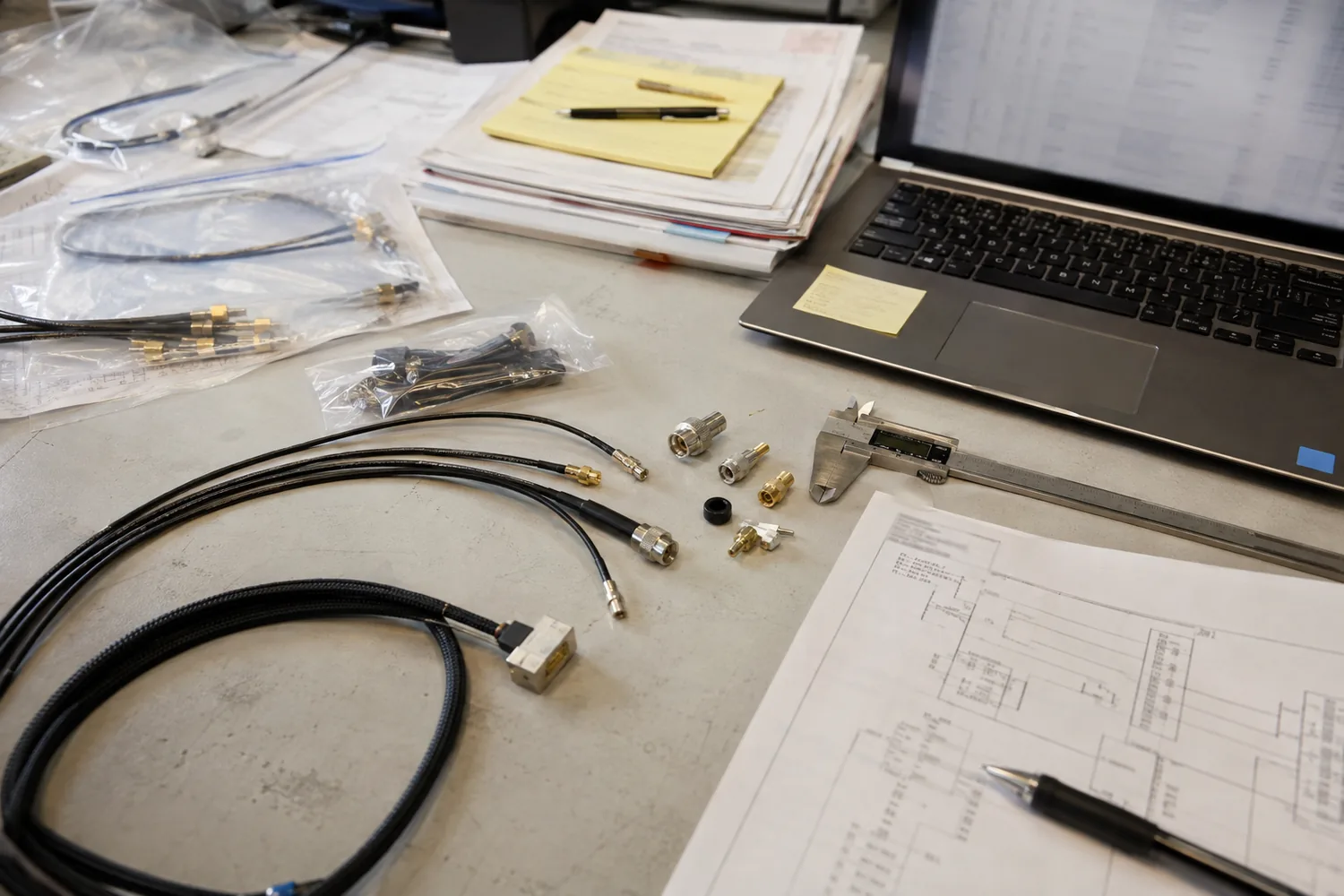
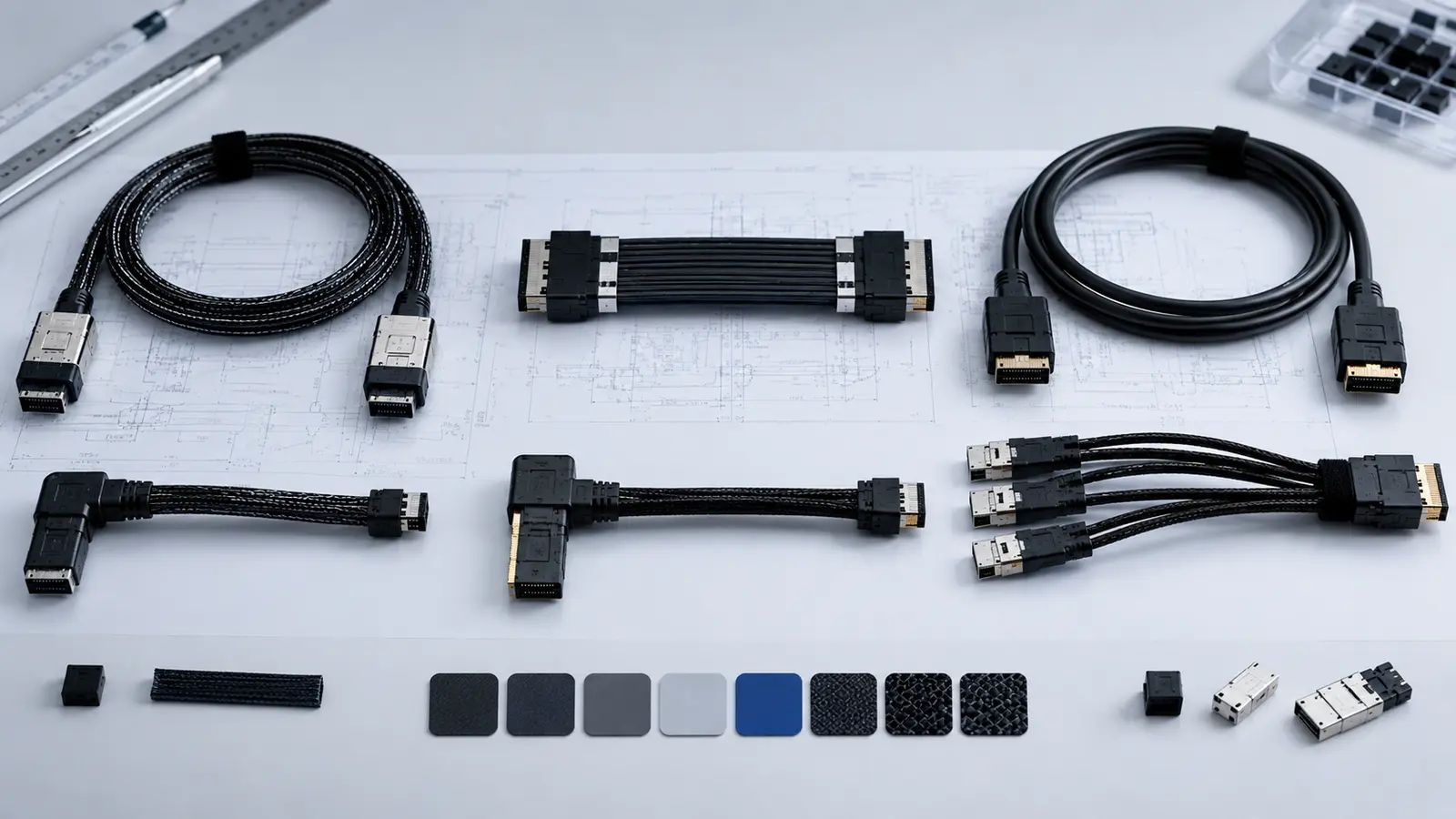
Use this path when a standard product page does not fit. It covers connector-to-connector cable assemblies and branched wire harness requirements; the exact construction and manufacturing route remain subject to project review.
01Names, part references, photos, mating information or an existing sample are useful starting points.
 02

Explain the equipment path, electrical function and installation context.
 03
Share overall length, branch lengths, labels, exit direction or routing constraints when known.
 04

State first-sample, prototype, pilot or volume expectations without guessing a fixed MOQ.
05
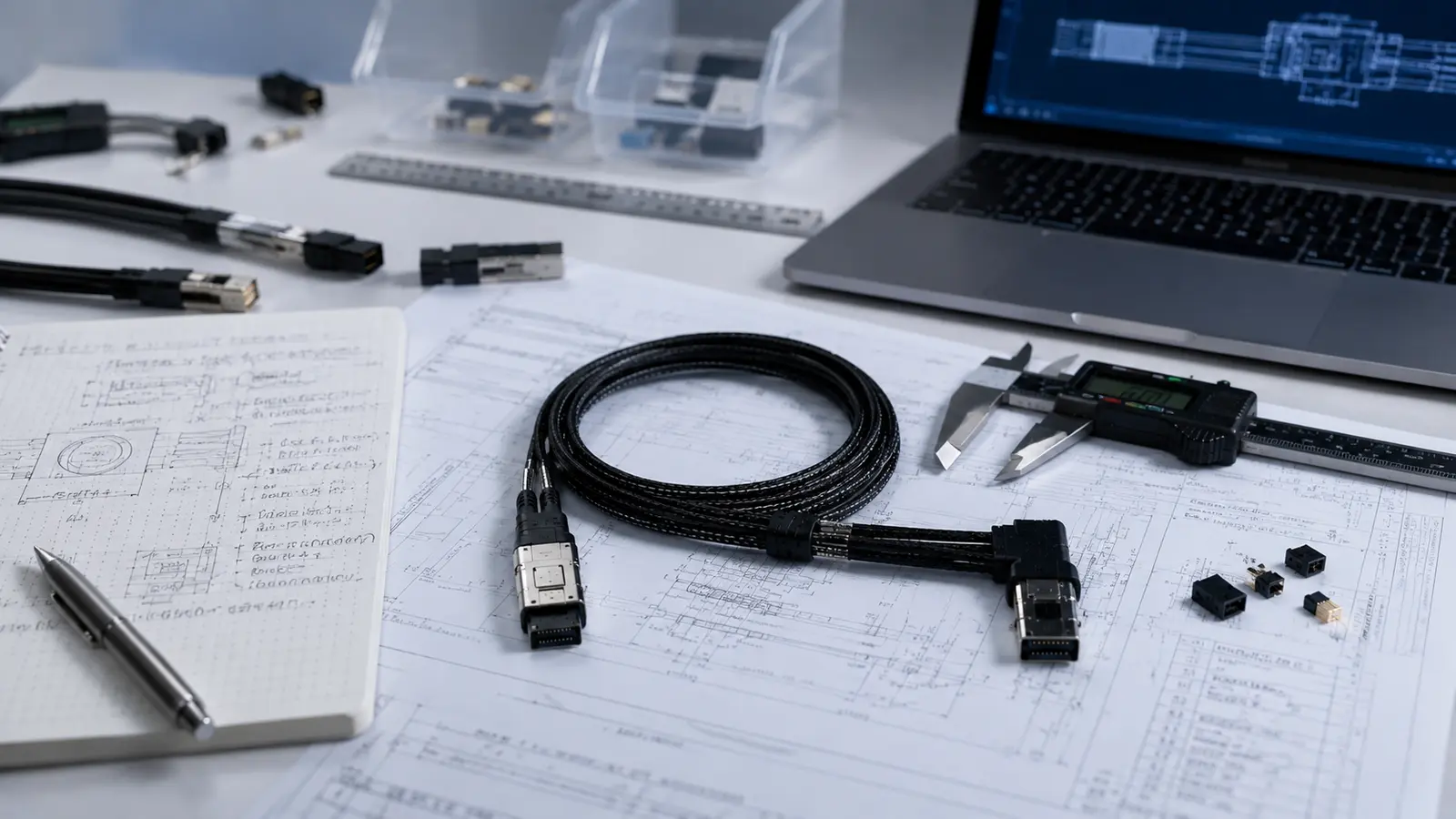
Reference a drawing, BOM, wire list, photo or sample so open questions can be identified.
Unknown fields can remain open. The RFQ records what is known and turns the rest into focused engineering or supplier questions.
Describe connector-to-connector, pigtail or branched harness scope without forcing the requirement into a listed product.
Record endpoints, terminals, pinout or wire list, length, branches, labels, routing and installation constraints when known.
Add project stage, initial quantity, forecast and target timing; feasibility and commercial terms are confirmed after review.
Identify the drawing, BOM, sample, inspection, compliance, packaging or traceability information purchasing needs.
Evidence boundary: manufacturing capability, MOQ, lead time, materials, certifications and test scope are confirmed per RFQ.
Request a Custom Quote →
Connector references, equipment models, length, orientation and quantity can be refined after the first requirement check.
Application contextAdd it when available; open fields remain part of the project review.Drawing, photo or sampleAdd it when available; open fields remain part of the project review. Clear next-step RFQAdd it when available; open fields remain part of the project review.01Equipment02References
 03Requirements04RFQ