 01
01Choosing from appearance
Similar connector shapes can hide different keying, pinout, lane mapping, cable exit and direction.
Most wrong cable purchases begin before the quote: the buyer chooses from a photo, copies a short marketplace title, or leaves direction and equipment roles unclear.
 EndpointsApplication
 Drawing / sample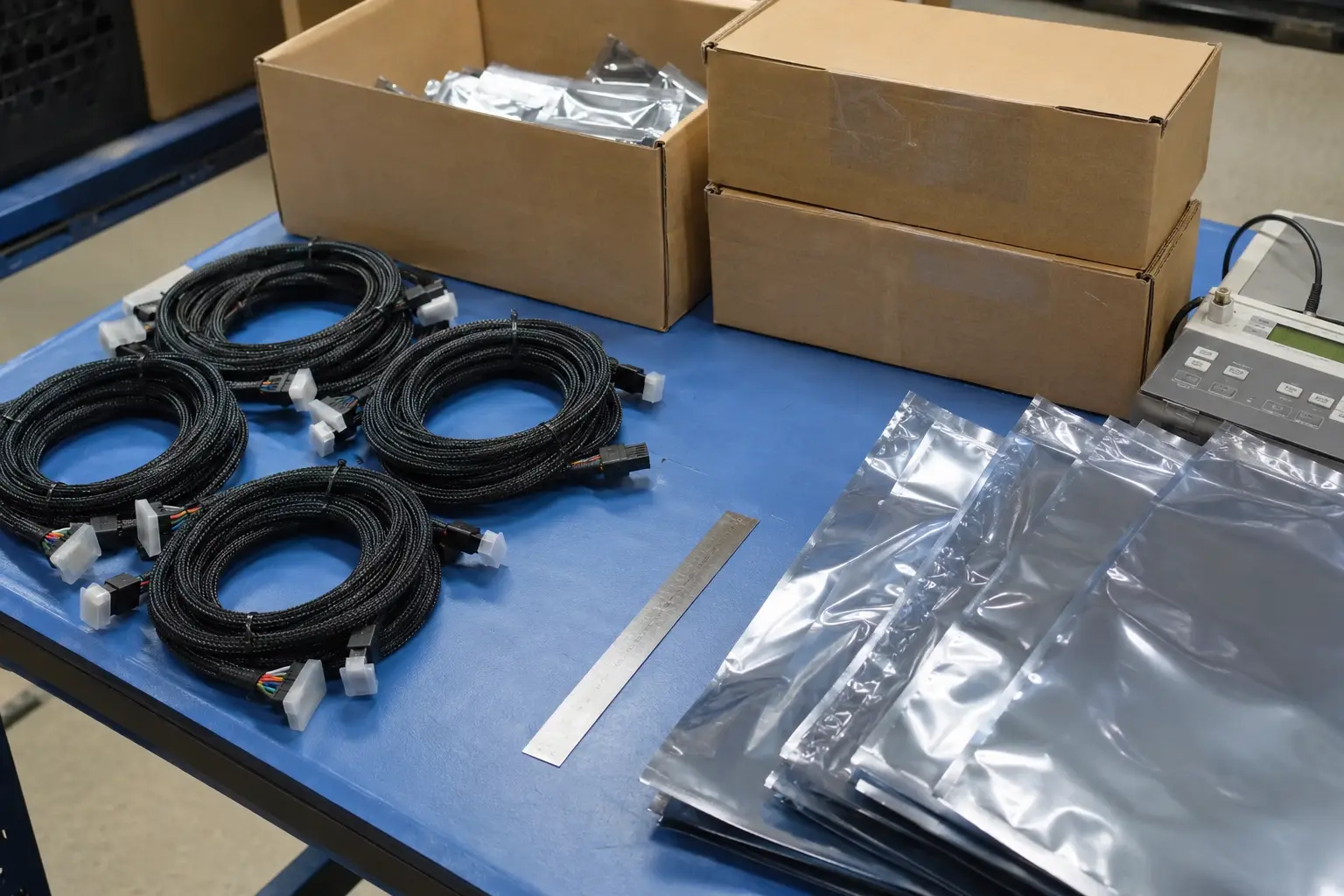
Most wrong cable purchases begin before the quote: the buyer chooses from a photo, copies a short marketplace title, or leaves direction and equipment roles unclear.
Wrong cable purchases usually come from treating a cable as a commodity before the equipment path is clear. Price comparison should come after direction, endpoint, topology, length and mechanical fit are checked. This guide lists the buying mistakes to remove before an RFQ becomes expensive.
Use this table to prepare the first RFQ message. If an item is unknown, leave it as a review question instead of guessing.
Unknown items can remain open. The goal is to make them visible instead of hiding them inside an assumed product match.
01Similar connector shapes can hide different keying, pinout, lane mapping, cable exit and direction.
02A supplier needs to know which side is controller, backplane, device, adapter or endpoint.
 03
03Lane format must match the board and topology; it is not a simple upgrade choice.
 04
04These endpoints require different evidence for direction, power, sideband and mechanical fit.
 05
05Plug angle, latch side, cable exit, bend path and branch length can stop installation.
06A lower quote is not useful if the cable direction, length, documents or platform fit are still uncertain.
These are the mistakes to remove before price, lead time or sample approval becomes meaningful.
Pictures rarely prove keying, pinout, orientation or wire mapping.
U.2, SATA and OCuLink need different direction, power and sideband checks.
A cable can be electrically correct and still unusable if it cannot route through the chassis.
The safest buying habit is simple: do not compare price until the cable path is clear. Start from the closest product family, send evidence, and let open items become technical questions before purchase.
01Endpoints02Check 03Build route
 04Quote